What Is the Most Effective Year-Round Pest Control Strategy for Toronto Homes?
Why Toronto Homes Need a Year-Round Pest Control Strategy
A effective pest control Toronto strategy delivers the best results when it matches the city’s varying weather, housing styles, and pest pressure. Toronto homes face a varied mix of issues in spring, summer, fall, and winter because the Toronto climate moves from damp thaw to hot humidity to freezing temperatures and repeated freeze-thaw cycles. Those conditions affect seasonal pest activity and force insects and rodents toward warmth, food, and shelter.
Many Toronto homes are semi-detached houses, older brick houses, basement suites, and high-rise condo units. Each produces different entry points, harborage, and moisture problems. In older neighbourhoods, cracks in foundations, utility penetrations, and aging vents can allow in pests. In condos, shared walls, trash rooms, and adjacent units can make an infestation spread more quickly. In the GTA, dense neighbourhoods and shared-wall properties often see more pressure, which is why prevention in Toronto is usually a continuous job, not a one-time treatment.
The most effective approach is integrated pest management: combine inspection, exclusion, sanitation, monitoring, and targeted treatments only when needed. That helps keep pest control manageable, reduces repeat problems, and helps homeowners act before pests become well-settled.
What Critters Remain Most Often Seen in Toronto by Annual Season?
Various pests peak at specific points of year. In Toronto, ants are notably active in spring and summer as they hunt for food and travel along foundation cracks. Mice become more noticeable in fall and winter when they try to get indoors. Cockroaches can remain active all year, but indoor heating, kitchens, and cluttered storage areas make them harder to control in winter. Bed bugs are less seasonal than other pests, but travel, shared housing, and high-density living mean they show up year-round in apartments, condos, and homes with frequent guests.
Additional common Toronto pests include wasps, spiders, silverfish, and seasonal outdoor insects, but the four biggest recurring concerns for homeowners are often ants, mice, cockroaches, and bed bugs. In real-world terms, the right plan shifts with the weather: spring focuses on prevention and perimeter checks, summer on outdoor pressure, fall on rodent proofing, and winter on indoor monitoring.
Spring Pest Control for Toronto Homes
The spring season is the restart season for seasonal pest prevention in Toronto. As thawing ground and returning moisture arrive, insects become busy around home foundations, front porches, window frames, and yard beds. Now is the time to schedule foundation checks and look closely at entry points where pests may have overwintered or where new activity begins.
In Toronto homes, spring often reveals ant infestations entering through tiny cracks around the slab, brick mortar, or utility lines. Keep an eye out for trails in kitchens, bathrooms, and basement suites. Wasps also become active early as queens start new nests in soffits, eaves, decks, and sheds. If you see early nest-building, removing a small nest safely or booking service before it grows can prevent a bigger summer problem.
A good spring plan includes:
- Checking the exterior foundation and caulking visible cracks.
- Reviewing vent covers, door sweeps, and window screens.
- Clearing away winter debris near the house to reduce nesting sites.
- Watching basements for moisture, leaks, and ant trails.
- Applying targeted treatment only where pest activity is confirmed.
For many homeowners, this is also the best time to start a light perimeter program. A professional perimeter service can reduce early ant and crawling insect pressure before it builds. In older brick homes and semi-detached properties, spring inspection is especially useful because cracks and settlement gaps tend to open as temperatures change.
Summer Pest Reduction and Outside Services
During summer in Toronto brings warmth, moisture, and extra time outside, which creates ideal conditions for mosquitoes and wasps. Outdoor pest control should aim to reducing standing water, reducing attractants, and shielding the house perimeter. The main summer targets are mosquitoes, wasp nests, and flying insects that settle near decks, eaves, and landscaping.
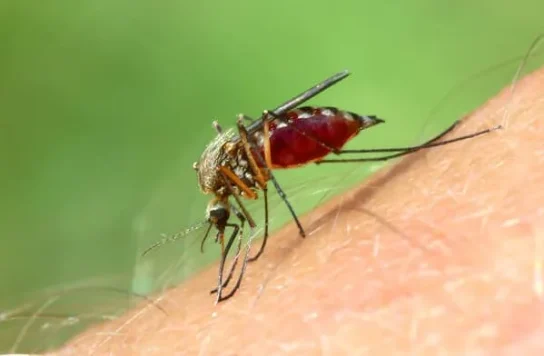
Property upkeep makes a difference more than many homeowners realize. Mow the grass regularly, clear away leaf piles, clean up food scraps after barbecues, and remove containers that collect rainwater. Trim shrubs away from the siding so pests have fewer shaded nesting spots. If your property backs onto an alley or shared fence line, inspect those areas too; these are common corridors for pests in dense Toronto neighbourhoods and across the GTA.
Summer is also a good time for a expert boundary treatment around entry zones such as foundations, garage doors, patios, and porch steps. This can help lower ants, crawling insects, and wasp activity around the home. If you notice repeated wasp traffic in the same area, there may be a concealed nest in the soffit, attic edge, or deck structure.
For multi-unit living, summer pest control should feature communication with property managers in the condo or townhouse complex. In a shared-building environment, a nest or moisture problem in one unit can affect others quickly. Regular observation is especially important for condos, basement suites, and rental units where pest pressure can move between spaces.
Fall Rodent Prevention Before Mice and Rodents Enter
Autumn is the most important season for rodent prevention in Toronto. As temperatures cool down and the city starts moving into freeze-thaw cycles, mice and other rodents seek warmth indoors. They do not need a big opening to get in, which is why sealing gaps is essential. A gap the size of a dime can be sufficient for a mouse, especially around utility lines, foundation vents, garage thresholds, and older masonry.
This is the season for thorough weatherstripping work and close attic inspections. Check attic access doors, soffits, roof edges, and the top of exterior walls for signs of rodent movement. Look for droppings, shredded insulation, gnaw marks, and greasy rub lines near beams or pipes. In Toronto homes with older construction, attics and wall voids can provide perfect winter shelter if not properly blocked.
Rodent proofing is most effective when combined with sanitation and storage control. Put dry food in sealed containers, reduce clutter in garages and basements, and remove cardboard piles that can become nesting material. If you hear scratching at night or notice new droppings, do not wait until winter settles in. Early fall action is usually easier and more affordable than dealing with a full indoor infestation later.
For homeowners searching for pest control near me in the fall, look for a provider that offers inspection, proofing, and follow-up monitoring rather than a one-time trap placement only. That approach is especially useful in older Toronto neighbourhoods where rodents can move between adjoining properties.
Seasonal Pest Control: Inside, Storage Rooms, and Condos
The colder season does not eliminate pest issues in Toronto; it changes where they show up. Once the weather turns cold, pests that are already indoors become more visible. Cockroaches do well in warm kitchens, utility rooms, and cluttered storage zones. Bed bugs remain a concern in homes, apartments, and especially in dense condominiums where travel, guests, and shared walls increase exposure.
Basements are another key winter pressure point. A damp basement can support cockroaches, silverfish, and rodent activity, while stored items can hide early signs of infestation. In colder months, Toronto homeowners should keep an eye on laundry rooms, furnace areas, utility sinks, and storage closets. These indoor spaces often provide the warmth and moisture pests need to survive.
If you live in a condo, winter pest control should include communication with the building management team and prompt reporting of shared-space issues. Bed bugs in one unit can spread through hallways, laundry rooms, and adjoining walls. Cockroach problems can also persist if common areas are not kept clean and dry. In shared buildings, recurring service may be more effective than a single treatment because it allows tracking, reinspection, and follow-up based on activity.
For winter indoor pests, sanitation and monitoring are essential. Vacuum regularly, reduce hiding places, inspect second-hand furniture, and check seams of mattresses and upholstered items. If bed bugs are suspected, rapid inspection is important because early containment is much easier than a widespread infestation.
How High Can Pest Control Run in Toronto?
pest control Toronto cost depends based on the pest, house size, access issues, and whether you need a one-time visit or recurring service. In general, pest control cost Ontario follows similar patterns across the province, but Toronto pricing can be influenced by closely packed homes, apartment access, and higher service demand in the GTA.
Typical questions include pest control near me prices, how much is pest control for mice, cockroach exterminator Toronto cost, and cost of bed bug treatment. While prices vary, mice control is often less expensive if caught early and limited to proofing plus trapping. Cockroach work may carry higher costs when kitchens, multiple units, or repeated visits are involved. Bed bug treatment is usually the most expensive category because it often requires thorough inspection, preparation, and multiple treatment methods.
If you are comparing pest control Toronto cost estimates, ask whether the quote includes inspection, treatment, follow-up, and any warranty or service guarantee. Also ask if the company charges separately for attic work, basement access, condo coordination, or emergency visits. In Toronto and surrounding areas, access complexity can affect the final bill as much as the pest itself.
For broader comparison, homeowners also search terms like pest control Mississauga, pest control London Ontario, pest control Kitchener, pest control Brampton prices, pest control Hamilton prices, and even pest control Edmonton prices. Those searches are helpful for comparison, but Toronto-specific pricing https://rentry.co/ryxkn2bb often mirrors local housing density and winter indoor infestation patterns. Outside the GTA, some people also compare pest control Fredericton NB, adams pest control Fredericton, and adams pest control Moncton when reviewing regional service options and overall market differences.
When to Select Expert Assistance vs Do It Yourself
Do-it-yourself approaches can be effective for basic prevention, but a serious infestation usually requires a professional. Minor ant trails, basic sanitation, and simple sealing can often be taken care of by a household member. However, if you suspect mice in walls, recurring cockroach activity, or bed bugs in a bedroom or condo unit, a professional inspection is usually the right next step.
Searches for best pest control near me often happen when the problem is already beyond minor. That is a smart time to evaluate providers and look for a company that describes its process clearly. For mice, people sometimes ask about diy fumigation for mice, but fumigation is not a typical or safe home solution for mouse problems. Instead, proper rodent proofing, trapping, sanitation, and follow-up are better results and far less risky.
Go with professional service when:
- You see consistent droppings, nests, or gnaw marks.
- The issue is in an attic, wall void, basement, or shared condo space.
- You have bed bugs, cockroaches, or a persistent rodent problem.
- You need a fast, targeted plan with follow-up monitoring.
- You want a licensed technician to identify hidden entry points and harborage.
DIY is best for prevention, but when signs point to spread or hidden activity, professional treatment cuts time and often reduces total cost.
How to Select the Most Suitable Toronto Pest Control Company
The right company should deliver more than a spray visit. Look for a licensed exterminator who uses integrated pest management and details how inspection, exclusion, sanitation, and monitoring work together. A trustworthy company will pinpoint the source of the problem, not just the symptoms.
Ask whether the company offers a written service guarantee or follow-up visit. That matters in Toronto because pest pressure can return after temperature changes, renovations, or nearby construction. Also check local reviews from homeowners in similar housing types, such as semi-detached houses, older brick homes, basement suites, or condos. A company that understands Toronto housing is more likely to know where pests hide and how weather affects them.
When evaluating providers, inquire about:
- Inspection methods and how they locate entry points.
- Whether treatment is targeted or comprehensive.
- Experience with condos, basements, attics, and shared-wall properties.
- Follow-up monitoring and recurrence prevention.
- Clear estimates with no surprise fees.
For the best results, choose a company that treats pest control as a regular upkeep plan, not just an emergency response.
Toronto Seasonal Pest Control Checklist
A practical year-round plan keeps pest problems more manageable and easier to manage. Use the following checklist to match your home maintenance with the season.
- Spring: inspect foundations, seal small cracks, remove debris, and watch for ants and wasps.
- Summer: emphasize sanitation, yard maintenance, mosquito reduction, and wasp nest checks.
- Fall: prioritize exclusion, weatherstripping, attic inspections, and rodent proofing before cold weather arrives.
- Winter: keep up monitoring in basements, condos, kitchens, and storage areas for cockroaches and bed bugs.
Across all seasons, reduce clutter, store food properly, fix leaks, and inspect around pipes, vents, and door frames. In Toronto, these simple steps matter because the local weather can force pests indoors quickly. Seasonal maintenance is usually less expensive than emergency treatment and helps prevent repeat visits.

FAQs About Pest Control in Toronto
What is the best pest control schedule for Toronto homes?
The best schedule is seasonal. Do a spring inspection and sealing check, a summer perimeter and yard review, a fall rodent proofing service, and a winter indoor monitoring plan. Homes with recurring issues, condos, or shared-wall exposure may benefit from recurring service throughout the year.
How much is pest control for mice in Toronto?
The cost depends on the size of the problem, the number of access points, and whether proofing is needed. Early mouse control is usually less expensive than a larger infestation because it may involve inspection, trapping, and sealing gaps rather than extensive remediation.
Is bed bug heat treatment in Toronto worth the cost?
For numerous serious infestations, yes. bed bug heat treatment Toronto can be successful because it reaches hidden areas where bed bugs live. The heat treatment for bed bugs cost is often costlier than other methods, but it may be a good investment when the infestation is extensive, time is critical, or a quick return to normal use is important.
When should I reach out to a pest control company instead of using DIY methods?
Call a trained technician when you see repeated signs, cannot find the source, or suspect cockroaches, bed bugs, or rodents in walls, attics, basements, or condos. DIY is usually adequate for prevention and minor housekeeping issues, but a confirmed infestation often needs inspection and targeted treatment from a licensed technician.
Mosquito Man Toronto224 King St W #2401, Toronto, ON M5J 0A6, Canada
+16472437241
https://maps.app.goo.gl/VbxNrosScd6ZL8U39
https://mosquitoman.ca/pest-control/toronto/
JJX7+23 Toronto, Ontario, Canada

Do pest control prices near me vary a lot across Toronto and nearby cities?
Yes, they can vary. Prices may differ based on home type, access, urgency, and local demand. Toronto pricing can be affected by condos, older housing, and dense neighbourhoods, while surrounding areas such as Mississauga, Brampton, Hamilton, London Ontario, and Kitchener may have different service structures. Even within the GTA, the final quote may change depending on the pest and the level of follow-up required.